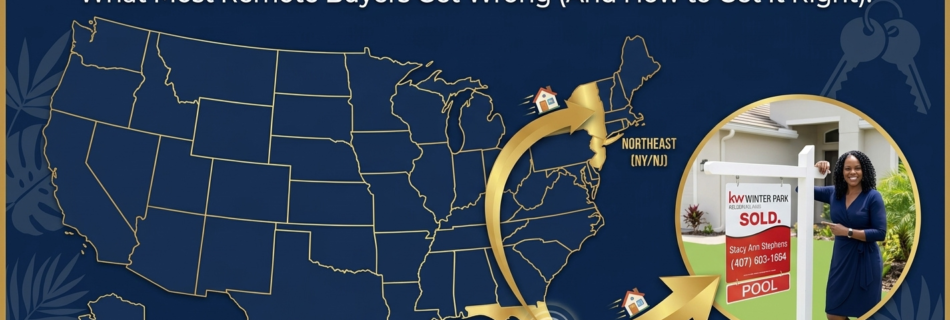

Buying a Home for Cash in Florida: The Due Diligence Checklist Every Cash Buyer Needs Before They Close

Paying cash for a home in Florida feels like the power move — no bank, no approval, close in days. But without a lender requiring the standard protections, most cash buyers skip the appraisal, title search, and survey that would have saved them. Here’s what I’ve seen go wrong, and exactly how to protect yourself.
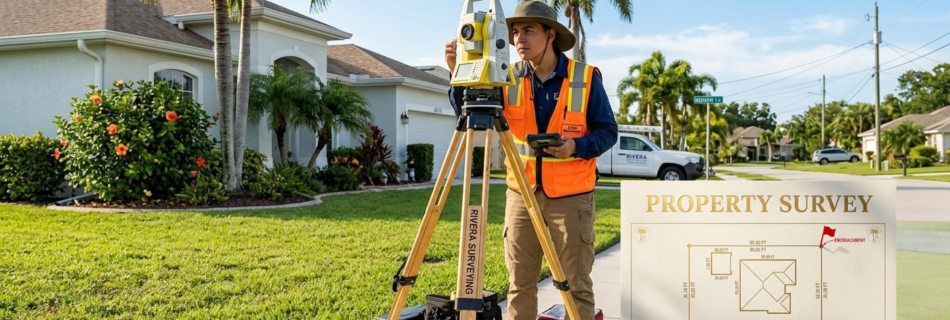
Property Survey When Buying a Home in Florida: What It Is, When You Need One, and Every Red Flag to Know

Your lender may require a survey. Your title company needs one to remove the survey exception from your policy. And you need one to know exactly what you’re buying. Here’s everything Florida buyers need to know about property surveys — types, costs, who pays, and the red flags that can derail a closing.

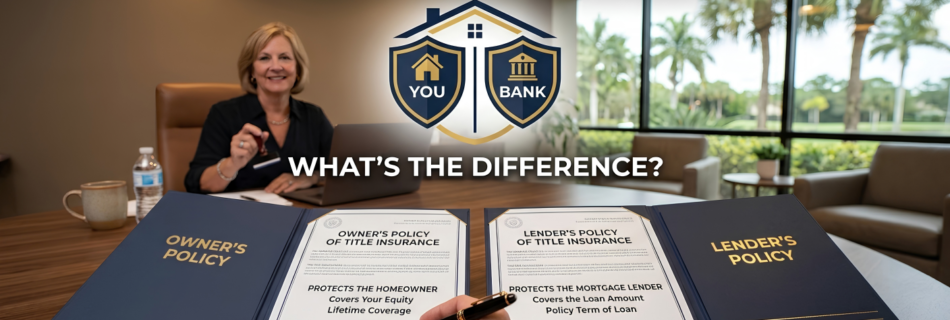
Title Insurance in Florida: Owner vs. Lender Policy, Who Pays, Red Flags, and What to Look For

Title insurance is one of those closing costs most buyers sign without fully understanding. Here’s exactly what it covers, why you need both policies (and what happens if you skip one), who pays in each Florida county, how to read your commitment, and the red flags that should stop your closing.

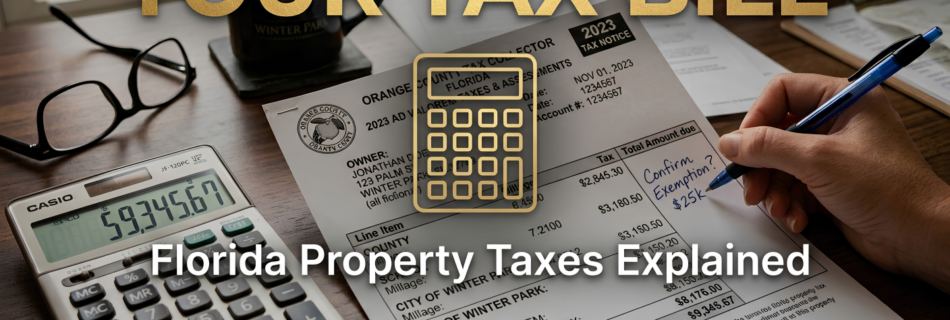
Florida Property Taxes Explained: How Your Bill Is Calculated and What Buyers Need to Know

The seller’s property tax bill is almost never what you’ll pay. Florida taxes reset to your purchase price — and if you’re buying in a neighborhood of long-time homeowners, the difference can be thousands of dollars a year. Here’s how Florida property taxes are calculated, what millage rates mean, and what every buyer needs to know before closing.

Florida Homestead Exemption: How to Apply, What You Save, and Every Deadline You Need to Know

The Florida homestead exemption can reduce your taxable home value by up to $50,000 and permanently cap how fast your assessment grows. But it only works if you file by March 1. Here’s exactly how to apply, what you’ll save, and what most new buyers don’t realize until it’s too late.

How to Stop Foreclosure in Central Florida – Your Options, Your Timeline, and What Actually Works

If you’re behind on your mortgage in Central Florida, you have more options than you know — and more time than you think. Florida’s judicial foreclosure process gives homeowners 8–18 months before a forced sale. Here’s a clear, honest breakdown of every option available in 2026 and how to use the time you have left.

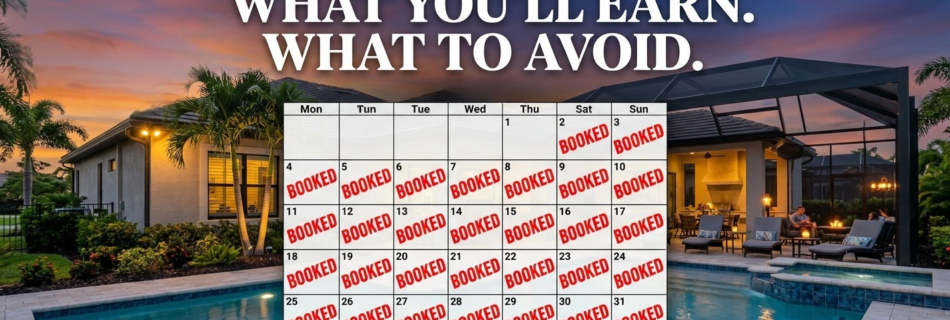
Best Short-Term Rental Markets in Florida 2026 — Where to Buy, What to Earn, and How to Avoid the Markets That Regulate You Out

Not every Florida market is created equal for short-term rental investors. Some cities welcome Airbnb with open arms. Others have passed restrictions that gutted investor returns overnight. Here’s the honest 2026 guide to Florida’s best STR markets — with income estimates, key risks, and a property screening tool.

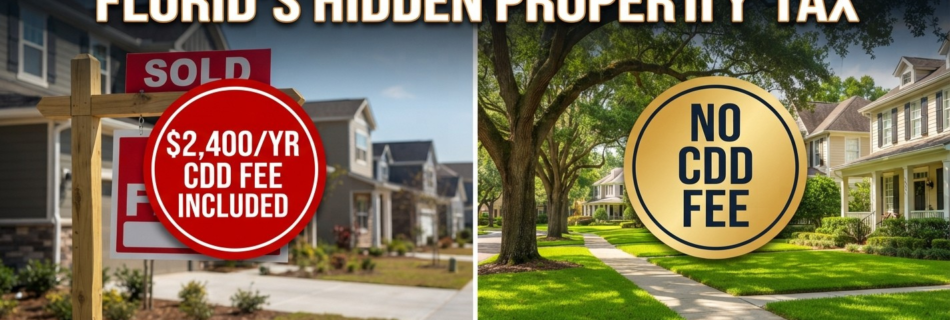
Central Florida Neighborhoods Without CDD Fees in 2026 — How to Find Them and What They Actually Save You

CDD fees can add $1,200–$3,600 to your annual property tax bill — forever. Many buyers don’t discover them until after closing. This guide shows you exactly how to find Central Florida neighborhoods without CDD fees, what the savings look like over time, and which established communities give you great value without the extra charge.

VA Compromise Sale in Florida: The Honest Guide for Veterans Who Are Underwater and Need a Way Out

If you have a VA loan and owe more than your home is worth, you’re not out of options. The VA Compromise Sale is the VA’s version of a short sale — it lets you sell the home, walk away without a bill from your lender, and preserve your future VA loan eligibility. Here’s exactly how it works in Florida in 2026.

Buying a House in Florida From Out of State: The 2026 Complete Guide — Including What Most Buyers Get Wrong

Can you buy a house in Florida without living there? Yes — and thousands of buyers do it every year. But buying remotely in Florida has specific challenges that catch out-of-state buyers off guard: insurance requirements, CDD fees, flood zone unknowns, and HOA nuances that don’t exist the same way in other states. Here’s the complete guide.