
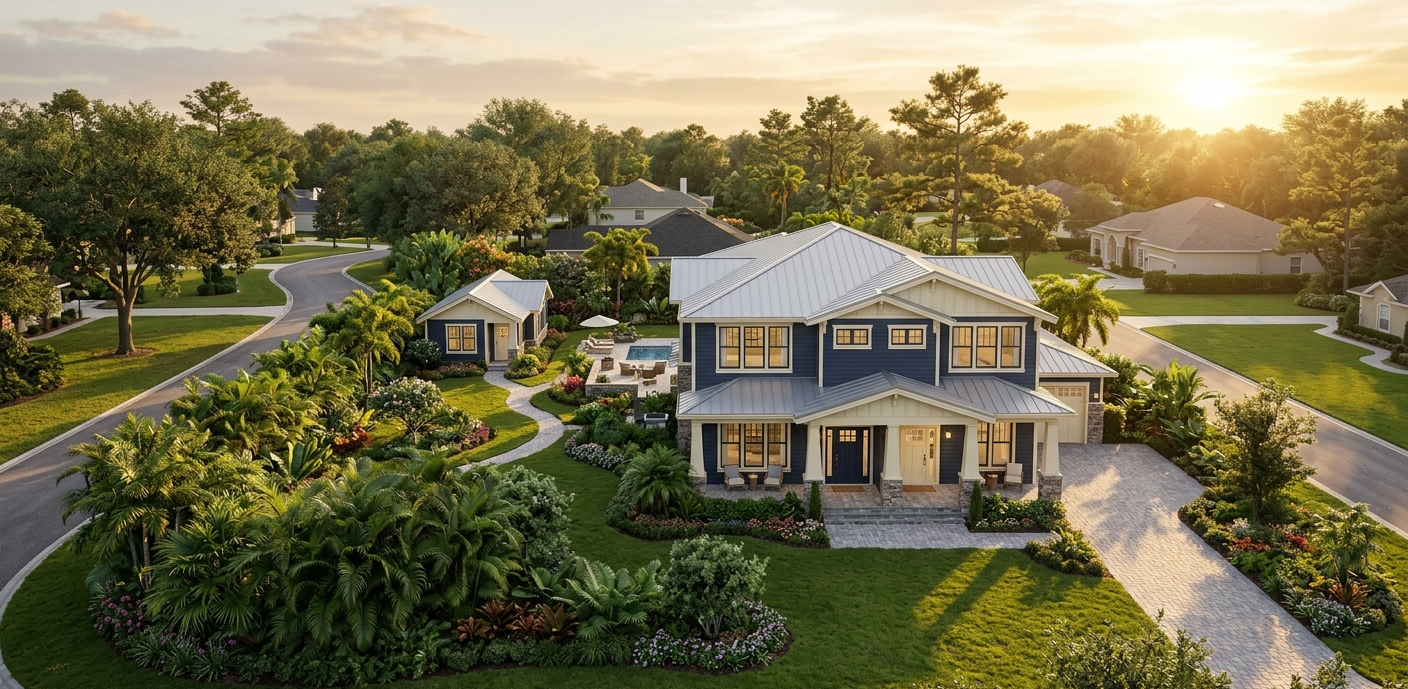
Where Can I Buy a House in Orlando With an In-Law Suite and No HOA?
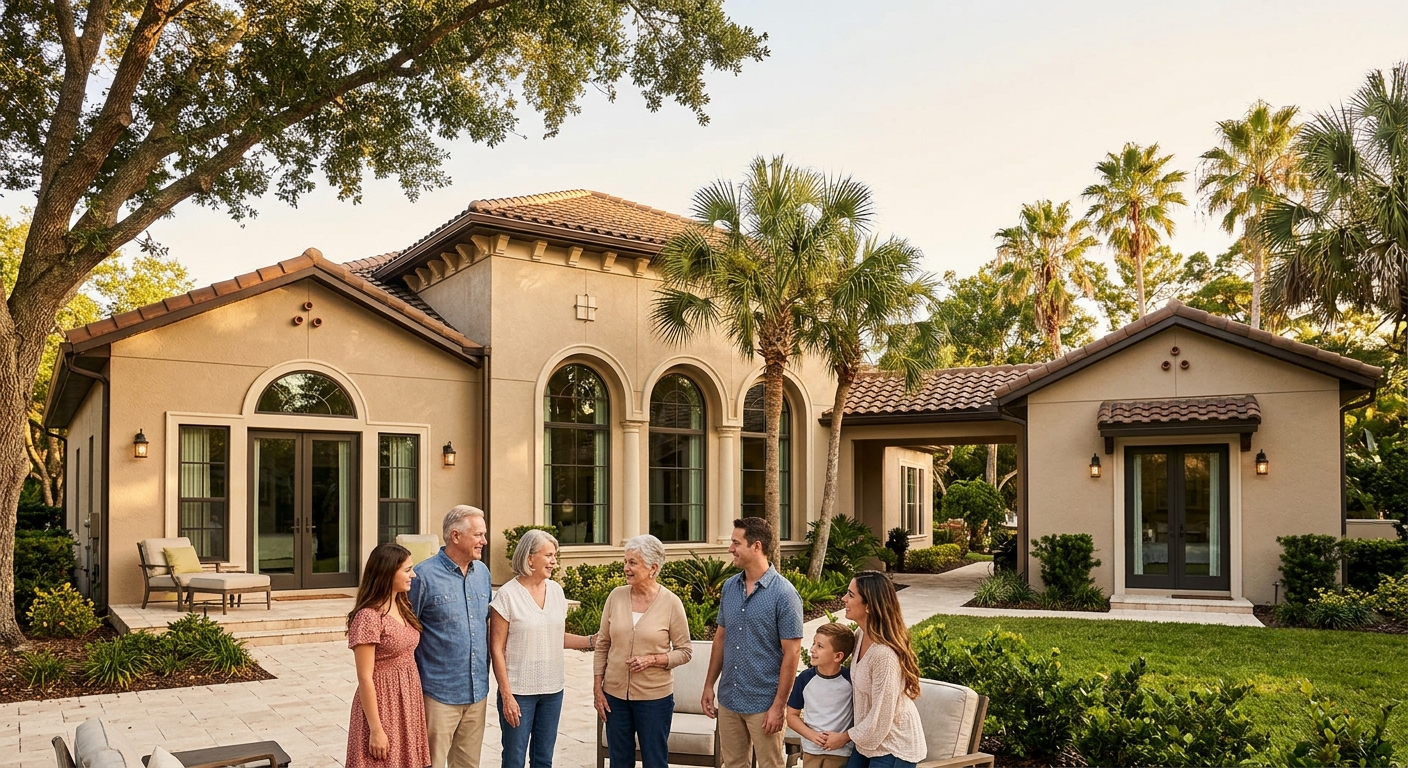
You’re not imagining it — more families are looking for homes that work for two generations under one roof. Whether it’s aging parents moving in, an adult child returning from college, or a family wanting a dedicated income suite, the demand for true multi-generational properties in Central Florida has exploded. The challenge? Most buyers don’t know where to look — or what they’re legally allowed to build.
Let me show you what I’ve learned after 24 years navigating Orange, Seminole, and Lake counties. These neighborhoods exist. The zoning flexibility is real. And the financial case is stronger than most people realize.
“Multi-generational households now represent nearly 1 in 5 American homes — a trend accelerated by housing costs, caregiving needs, and the cultural wisdom many immigrant families have always known.”
Why Are So Many Orlando Families Going Multi-Gen?
Florida is experiencing a collision of forces that makes multi-generational living not just practical — but financially brilliant. Housing prices have climbed over 40% since 2020 in many Central Florida corridors. Adult children carry student debt. Aging parents need support but crave independence. And immigration patterns bring entire extended families with different living preferences.
But the real reason? One mortgage. Two households. Massive shared equity. When a family can split utilities, share a mortgage payment, and eliminate a second rent or assisted-living cost, the monthly savings often exceed $2,000. Over ten years, that’s over $240,000 kept in the family.
Which Central Florida Neighborhoods Actually Allow ADUs and In-Law Suites?
This is where most buyers — and even some agents — get tripped up. “In-law suite” is not a universal term. What you can legally build or occupy as a secondary unit depends entirely on the municipality and county zoning code. Here’s the honest local breakdown:
🌿 Rural Apopka (Orange County)
Unincorporated pockets allow accessory dwelling units (ADUs) on lots over 10,000 sq ft with no HOA constraints. Separate entrances and utility sub-metering are permitted.
🏘️ Oviedo (Seminole County)
Select older subdivisions pre-date HOA structures entirely. Orange Ave corridor has large lots where detached ADUs are allowed under Seminole County LDC Section 30.44.
⛰️ Clermont / South Lake County
Lake County’s rural residential zoning (RR) allows one primary residence plus one ADU per parcel — with minimal restrictions on size or occupancy relationship.
🌻 St. Cloud (Osceola County)
New construction communities near Narcoossee allow multigenerational floorplans with dual primary suites and separate garage entrances. Some parcels have no HOA at all.
Pro tip: Always request a property’s complete zoning designation — not just the HOA status — before making an offer. A home may have no HOA yet still fall under a county overlay district with restrictions. I verify this as part of every buyer consultation.
How Do You Navigate the Zoning and Utility Process?
Once you’ve identified a property, here’s the practical roadmap:
- Request a zoning verification letter from the county planning department before submitting an offer (costs $25–$75 and takes 3–5 days)
- Confirm utility separation is feasible. In Orange County, you can sub-meter electric and water for ADUs without establishing a separate account — huge simplification
- Check septic capacity for rural properties. Adding an ADU to a property on septic requires a perc test and may require system expansion
- Review builder floorplans carefully if buying new construction — look for “Next Gen” suite options from builders like Lennar, which include a self-contained studio unit with private entrance baked into the base plan
- Consult an attorney if you’re structuring a shared ownership agreement — especially if multiple family members will co-hold the deed
What Happens to Your Home’s Value Over the Next Decade?
Here’s the part that surprises most buyers: homes with legally permitted ADUs or dual-primary configurations are appreciating faster than comparable single-family homes in Central Florida. As baby boomers age and Generation Z reaches peak buying age with lower purchasing power, demand for flexible-use properties is accelerating.
Properties in Clermont and Oviedo with established ADUs already command a 15–30% premium over comparable single-family homes without the extra unit — and that gap is widening. If you’re buying a multi-gen property today, you’re not just solving a lifestyle problem. You’re building a premium asset for a future market that will reward exactly what you have.
My honest read: in the next 10 years, the ability to host a rental-ready ADU will shift from “nice to have” to a standard buyer demand in Central Florida, similar to how a second bathroom became non-negotiable a generation ago.
Frequently Asked Questions
Can I legally rent out an in-law suite in Orange County, Florida?
Yes — if the property is zoned to allow ADUs and the unit meets Orange County’s accessory dwelling requirements. Short-term rentals (under 30 days) require a separate Tourist Development Tax registration. Long-term rentals have fewer restrictions. Always verify zoning before purchase.
What’s the difference between an ADU and an in-law suite?
An in-law suite is typically an attached space within the primary structure — a bedroom with private bath, sometimes a kitchenette. An ADU (Accessory Dwelling Unit) is a fully self-contained secondary dwelling — separate entrance, full kitchen, bathroom — either attached or detached. ADUs carry greater resale value and rental potential.
Do multi-generational home loans exist in Florida?
Yes. Fannie Mae’s HomeReady program allows non-borrower household income (like a parent’s income) to be considered for qualification, making multi-gen purchases more accessible. There are also conventional programs that recognize ADU rental income in the qualification. I partner with a licensed mortgage broker who can structure these specifically.
Which Central Florida counties are most flexible for ADU construction?
Lake County and unincorporated Orange County offer the most flexibility for detached ADUs. Seminole County is more restrictive in incorporated cities but has flexibility in rural unincorporated zones. Always check at the parcel level — zoning designations vary block by block.
Are there new construction options with built-in in-law suites near Orlando?
Yes — Lennar’s NextGen suite product is available in several Central Florida communities including in St. Cloud and Sanford. These include a separate attached studio with private entrance, kitchenette, and laundry. Some DR Horton and Meritage communities also offer multigenerational floorplans as standard options.
Ready to Find Your Multi-Gen Property?
I’ve helped dozens of Central Florida families find flexible homes that work for two generations. Let’s map out exactly what’s available in your budget and preferred county.
Schedule a Free Buyer Consultation